
Choosing a career is one of the most important decisions in a student’s life. Yet, many young individuals find it difficult to identify a career path that reflects their interests, strengths, and aspirations. Family expectations, peer influence, societal trends, and uncertainty about future opportunities can make career decisions even more challenging.
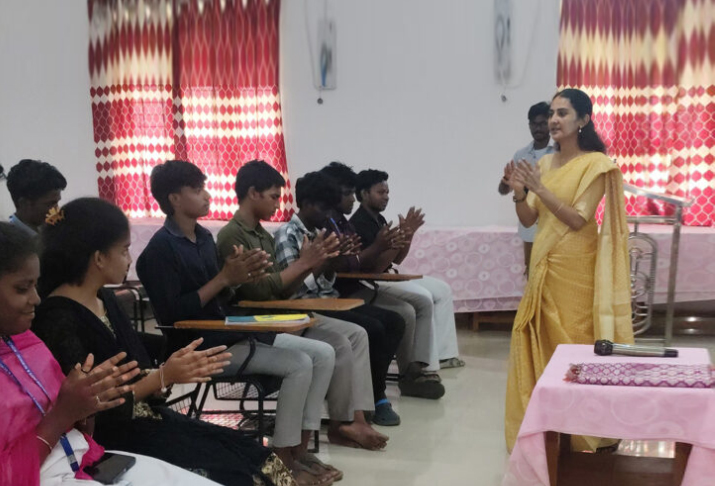
While academic qualifications and professional skills are essential, career clarity begins with self-awareness and understanding what truly motivates us. With this objective, a Passion Mapping Workshop was facilitated for Visual Communication students at St. Joseph’s College (Arts & Science), Kovur, Chennai. The workshop focused on helping students identify their interests, explore their passions, connect them with potential career opportunities, and develop a clearer sense of direction.
We extend our sincere gratitude to Mr. K. Shanmughavelayutham, Head of Department, for providing the opportunity to facilitate this learning experience.
The Passion Mapping Workshop was designed to help students look beyond conventional career choices and develop a deeper understanding of their individual interests and aspirations. For students pursuing Visual Communication, career opportunities extend across creative, technical, and communication-related fields. However, multiple career options make it difficult to identify a suitable professional direction.
The workshop encouraged students to begin their career exploration by understanding themselves rather than randomly choosing a job title or profession. It emphasized the connection between personal interests, passion, career goals, and long-term professional development.
What Is Passion Mapping?
Passion mapping is a structured self-reflection process that helps individuals identify their interests, explore what motivates them, and understand how these preferences may connect with potential career paths. Rather than assuming that every student already knows what they want to become, passion mapping encourages exploration and self-discovery.
Interests and aspirations may evolve with exposure, experience, and learning. The purpose of passion mapping is to help students develop greater self-awareness and make thoughtful choices while remaining open to new possibilities.
Self-Awareness: The Foundation of Career Clarity
One of the central themes of the workshop was the importance of self-awareness in career decision-making. Career decisions should be made after an understanding of individual interests, abilities, and values. Interests are reflected in activities that capture our attention and encourage curiosity. Recognizing these preferences can help students identify areas worth exploring further.
Personal strengths may include creativity, analytical thinking, communication, observation, problem-solving, or the ability to collaborate with others. Students benefit from recognizing both their existing capabilities and the skills they would like to develop. Understanding their strengths help students approach career planning with greater confidence.
Family expectations, peer comparisons, or the perception that certain professions offer greater social recognition are some external influences that affect career decisions. The workshop encouraged students to reflect on these influences and distinguish their own aspirations from external expectations. The objective was not to disregard practical considerations or family guidance but to develop a balanced understanding of personal preferences and available opportunities.
From Interests to Passion
Identifying an interest is an important first step, but turning that interest into a meaningful career requires exploration and effort. Passion becomes more meaningful in career planning when it is supported by skill development, practical experience, and clear goals. The Passion Mapping Workshop encouraged students to examine how their interests could connect with different professional possibilities. This can help students move beyond the idea of simply following their passion and begin understanding what it takes to build a career around it.
Key Activities in the Passion Mapping Workshop
The workshop incorporated introspective exercises and practical frameworks to support self-discovery and career exploration.
1. Identifying Interests Through Self-Reflection
Participants were encouraged to examine their interests, preferences, and motivations. Self-reflection helps students recognize patterns in the activities they enjoy and the skills they may wish to develop.
2. Connecting Interests With Career Options
Once students identify their interests, the next step is to explore how these may relate to educational and professional opportunities. The goal is to explore possibilities rather than immediately settle on a single career path.
3. Aligning Passion With Long-Term Career Goals
Interests can provide motivation, while clear goals help translate that motivation into action. Students were encouraged to consider the skills, knowledge, and experience they may need to pursue their preferred career directions.
4. Tracking Progress and Reviewing Career Choices
Career planning is not a one-time activity. As students gain experience, their interests, abilities, and priorities may change. Regular reflection can help students evaluate whether their current learning activities support their long-term aspirations.
5. Developing Consistency in Career Preparation
Identifying a passion is only the beginning. Meaningful progress requires sustained effort, practice, and a willingness to learn. The workshop highlighted the importance of taking small, purposeful steps towards career development and reviewing progress over time.
Why Career Planning Requires Continuous Reflection
Career interests do not always remain the same throughout life. Exposure to internships, projects, industry professionals, and emerging technologies can introduce new possibilities. This is why career planning requires flexibility.
The Passion Mapping Workshop emphasized the importance of reviewing goals, evaluating progress, and making adjustments when necessary. Students benefit from asking themselves whether their learning experiences continue to align with their interests and aspirations.
Career clarity does not mean having every step of the future planned. It means developing enough self-awareness to make informed decisions and adapt as new opportunities emerge.
Passion Mapping and Emotional Empowerment
Career decision-making helps students identify uncertainty, fear of failure, self-doubt, and pressure to meet external expectations. Developing emotional awareness can help students recognize these influences and approach important decisions more thoughtfully. Passion mapping encourages individuals to understand their motivations, recognize their strengths, and reflect on the choices that matter to them.
At Ameyadaya, we focus on helping students understand themselves better, strengthen their confidence, and navigate life’s challenges with greater clarity. Whether you are exploring new possibilities, navigating important decisions, or seeking personal growth, understanding yourself can be an important first step.
Explore Ameyadaya’s Training and Coaching Services