
Teamwork is an essential life skill that helps children learn to communicate, collaborate, respect different perspectives, and work towards common goals. When students learn to work together, they begin to understand the importance of cooperation, empathy, shared responsibility, and mutual support.
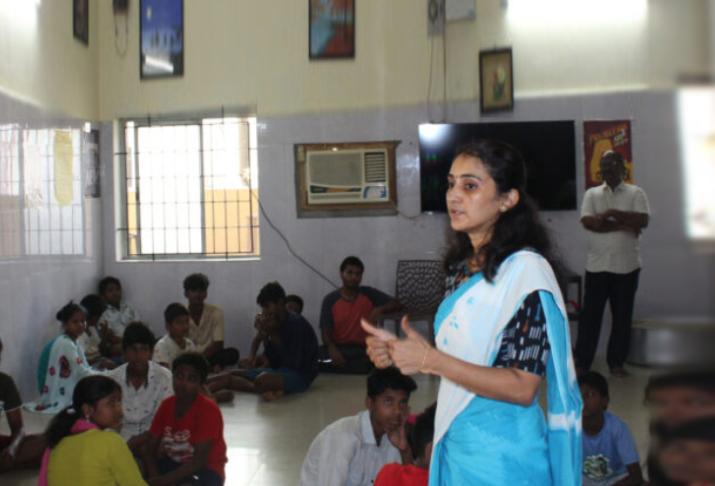
I had the privilege of conducting an interactive team-building session for students at Saranalaya Home, Megha Foundation, Chennai. The program was designed to help children from Class II to Class XII understand the value of working together through activities and interactive exercises. The activities encouraged children to communicate their ideas, listen to others, share responsibilities, and contribute towards common objectives.
One of the most encouraging aspects of the session was the willingness of older students to support younger participants. Their interactions demonstrated how cooperation, patience, and mutual respect can create a positive learning environment.
Why Team-Building Activities Are Important for Students
Team-building activities play an important role in life skills education and holistic student development. While academic learning helps students acquire knowledge, interactive group activities provide opportunities to develop interpersonal and emotional skills that are equally valuable. Through teamwork, children learn that achieving a shared goal often requires listening, understanding different perspectives, and contributing individual strengths.
Developing Communication Skills
When children participate in group activities, they learn to express their thoughts, ask questions, listen attentively, and respond to others. Team-building exercises encourage students to communicate clearly while respecting different opinions. Communication skills are valuable in classroom discussions, friendships, family relationships, and professional environments.
Encouraging Collaboration and Shared Responsibility
During team activities, students learn that every participant has a role to play and that individual contributions can influence the group’s progress. They begin to understand the importance of sharing responsibilities, supporting teammates, and appreciating the strengths of others. Such experiences encourage children to look beyond individual achievements and recognize the value of collective effort.
Strengthening Problem-Solving Skills
When children encounter challenges during an activity, they have opportunities to discuss possible solutions and learn from one another. This can help develop problem-solving skills, adaptability, and the confidence to approach unfamiliar situations. Students also learn that different perspectives can contribute to better solutions.
Building Leadership Qualities
Leadership is not limited to holding a formal position or directing others. It also involves taking initiative, accepting responsibility, encouraging participation, and supporting teammates. Team-building activities create opportunities for children to demonstrate these qualities naturally. Some students take the lead in organizing tasks, while others contribute by listening, coordinating, or helping their peers.
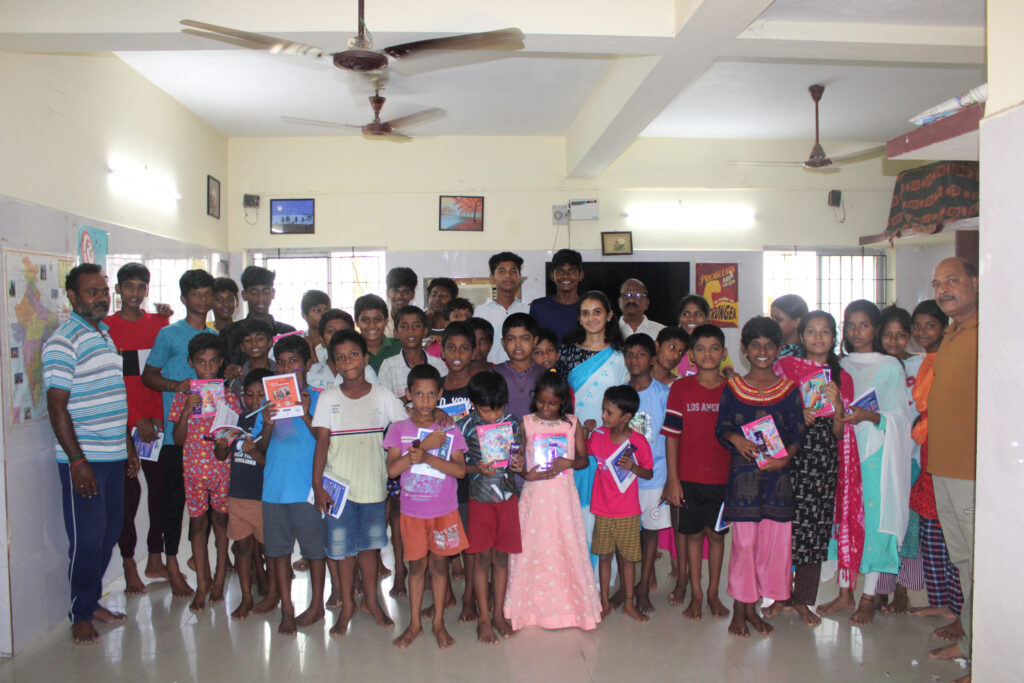
With the children of Saranalaya Home, Megha Foundation, Chennai
Learning Together Across Different Age Groups
One of the distinctive aspects of the session at Saranalaya Home was the participation of students from Class II to Class XII. Children learn effectively through interactions with their peers. Younger students approached the activities with curiosity and enthusiasm, while older students had opportunities to demonstrate responsibility, patience, and support.
Working with children of different abilities encourages students to recognize that everyone has unique strengths and needs. They also learn the importance of patience, understanding, and respecting different perspectives. These qualities contribute to healthier relationships and stronger interpersonal connections.
A supportive team environment encourages children to participate without feeling excluded. When students experience cooperation and mutual encouragement, they begin to understand the value of belonging to a group.
Turning Teamwork Principles Into Practical Experiences
Teamwork is best understood when children have opportunities to experience it. Rather than simply explaining the importance of collaboration, the session incorporated interactive exercises that encouraged students to apply teamwork principles. Through these activities, participants explored the importance of communicating effectively, sharing responsibilities, supporting others, and working towards common objectives.
Interactive learning helps make abstract concepts more meaningful because students can connect ideas with their own experiences. For children, these practical experiences can make life skills education more engaging and memorable.
Student Reflections
One of the most rewarding moments of the session came when the children shared their reflections after completing the activities. Listening to their thoughtful observations offered valuable insights into how they understood teamwork, cooperation, and leadership. What stood out was the maturity of their perspectives and the understanding shaped by their individual life experiences.
Their voices reinforced an important lesson: leadership can emerge at any age when children are encouraged to participate, contribute, and support one another. These reflections made the session meaningful and reaffirmed the value of experiential learning.
A Meaningful Experience in Empowering Young Minds
Conducting the team-building session at Saranalaya Home, Megha Foundation, Chennai, was a deeply rewarding experience. The children’s enthusiasm, willingness to collaborate, and thoughtful reflections made the program memorable. Watching students across different age groups support one another demonstrated the positive impact of creating inclusive and engaging learning environments.
The session reaffirmed my belief that life skills education plays an important role in helping children develop confidence, empathy, leadership, and interpersonal effectiveness. It also strengthened my commitment to contributing to initiatives that encourage holistic development and personal empowerment.
At Ameyadaya, we believe that meaningful personal development begins with self-awareness and continues through learning, reflection, and supportive experiences. Whether in educational institutions, workplaces, or personal development settings, these capabilities contribute to stronger relationships and more meaningful interactions.
Explore Ameyadaya’s Training, Coaching and Consulting Services