
Academic qualifications provide a strong foundation for professional success. However, transitioning from college to the workplace requires more than subject knowledge. Students also need communication skills, confidence, career clarity, and an understanding of professional expectations.
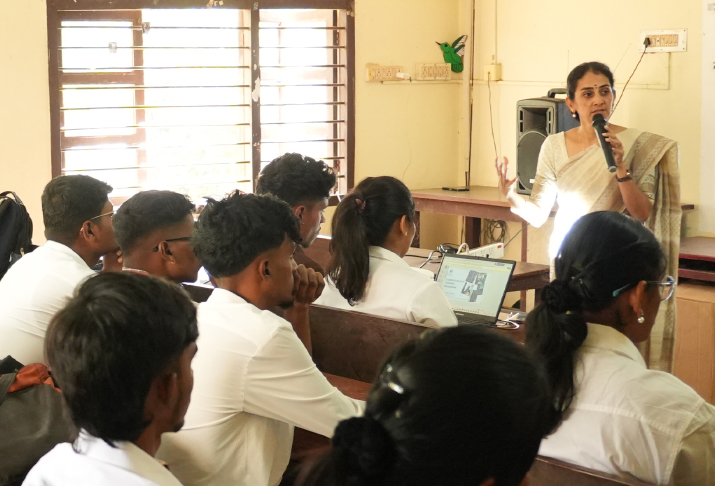
A career guidance session for college students was conducted for the Department of Tourism Studies at Madras Christian College (MCC), Chennai, focusing on the essential skills students need to prepare for their professional journeys.
The objective was to help students understand the expectations of the professional world and develop the confidence to explore career opportunities, particularly in the tourism and hospitality industry.
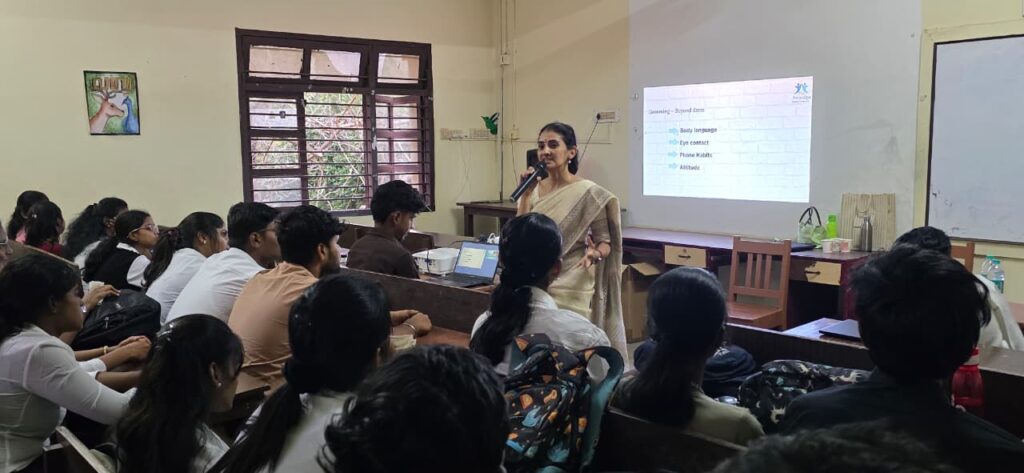
Helping students understand the expectations of the professional world
The tourism and hospitality industry offers diverse career opportunities that require a combination of technical knowledge, interpersonal skills, adaptability, and professionalism. Students pursuing tourism studies may explore careers in travel operations, hospitality management, customer service, tourism marketing, event management, and other related fields.
While academic programs provide industry knowledge, students need practical guidance on presenting their abilities, communicating effectively, and navigating recruitment processes. The career guidance session at Madras Christian College focused on bridging this gap between academic learning and workplace readiness. Through interactive discussions and practical insights, students were encouraged to reflect on their professional goals and understand the skills needed to pursue them.
Key Learning Areas Covered During the Session
The session explored important aspects of career readiness and professional development.
1. Career Focus and Goal Setting
Career planning begins with understanding personal interests, strengths, and aspirations. For college students, having a clear direction can help them identify suitable opportunities and make informed decisions about internships, skill development, and future employment.
The session emphasized the importance of defining career goals and developing structured plans to work towards them. Career goals need not remain fixed throughout life. As students gain experience and explore different opportunities, their aspirations may evolve. The important first step is to develop awareness and take purposeful action.
2. Importance of English in Professional Communication
Effective communication is one of the most valuable employability skills for students entering the tourism and hospitality sector. Professionals in these industries frequently interact with people from different cultural, linguistic, and professional backgrounds.
English communication skills can support interactions with customers, colleagues, employers, and international visitors. The session highlighted the importance of developing confidence in spoken English and improving professional communication.
Effective communication involves clarity, active listening, empathy, and the ability to convey information accurately. For tourism students, these qualities can contribute to positive customer experiences and stronger professional relationships.
3. Interview Etiquette and Group Discussion Skills
Students may possess the required knowledge and abilities but struggle to communicate their strengths during selection procedures. The career guidance session provided valuable tips for interview success and active group discussion participation.
Interview preparation
Successful interview preparation involves understanding the role, researching the organization, and learning to communicate relevant skills and experiences. Students can improve their readiness by practicing common interview questions, preparing examples of their achievements, and developing confident yet respectful communication.
Group discussion
Group discussions assess how candidates express ideas, listen to others, and contribute to collaborative conversations. Active participation involves presenting relevant points, respecting different opinions, listening actively, and maintaining professional behavior. These skills are valuable because they support teamwork and workplace communication.
4. Professional Grooming and Workplace Etiquette
Professional presentation plays an important role in creating positive first impressions. In customer-facing industries such as tourism and hospitality, appropriate grooming, personal hygiene, and professional behavior are non-negotiable. The session highlighted the importance of presenting oneself confidently and understanding workplace expectations.
5. Resume Writing Tips
A well-structured resume helps students communicate their qualifications, skills, achievements, and career interests to potential employers. For fresh graduates, preparing a resume can be challenging because they may have limited professional experience. The session provided guidance on creating resumes that are easy to read and tailored to the opportunity being pursued.
6. Media Awareness and Focus Management
Digital technology provides students with access to educational resources, professional networks, and career opportunities. However, excessive or unstructured media consumption can also affect concentration, productivity, and time management. Social media can support career development when used to discover industry trends, connect with professionals, and access educational content. Students were encouraged to manage digital distractions and develop habits that support focused learning.
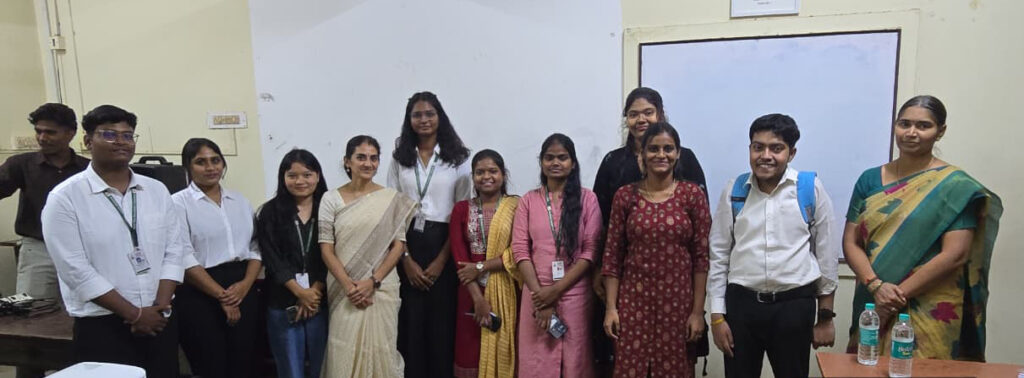
Students of the Department of Tourism Studies at Madras Christian College (MCC), Chennai
Why Employability Skills Matter
For college students, academic performance is important, but employers may also consider communication, teamwork, adaptability, problem-solving, and professional conduct. In the tourism and hospitality industry, these capabilities are essential because many roles involve direct interaction with customers and collaboration with colleagues. Career guidance programs help students understand these expectations before they begin applying for jobs.
Career readiness is closely connected to self-awareness and confidence. Students preparing to enter the workforce may experience uncertainty about their abilities, career choices, or future opportunities. Career guidance creates space for students to reflect on their aspirations, ask questions, and understand the professional skills they need to develop. Confidence grows when students combine self-awareness with preparation and consistent practice.
The career guidance session at Madras Christian College was an interactive learning experience rather than a one-way presentation. It provided an opportunity to share practical insights into professional expectations and encourage students to think about their future career paths. When students understand what employers expect and how they can prepare, they are better positioned to approach career decisions with confidence.
Preparing Students for a Confident Professional Future
The career guidance session at Madras Christian College, Chennai, emphasized an important message: career success requires a combination of academic knowledge, practical skills, personal awareness, and continuous learning. Career guidance initiatives provide valuable opportunities to understand workplace expectations and identify practical steps towards professional growth.
At Ameyadaya, we believe that meaningful development begins with understanding oneself and continues through learning, reflection, and purposeful action. Explore our emotional wellness training and coaching services to learn more about our approach to confidence building, communication, and personal development.